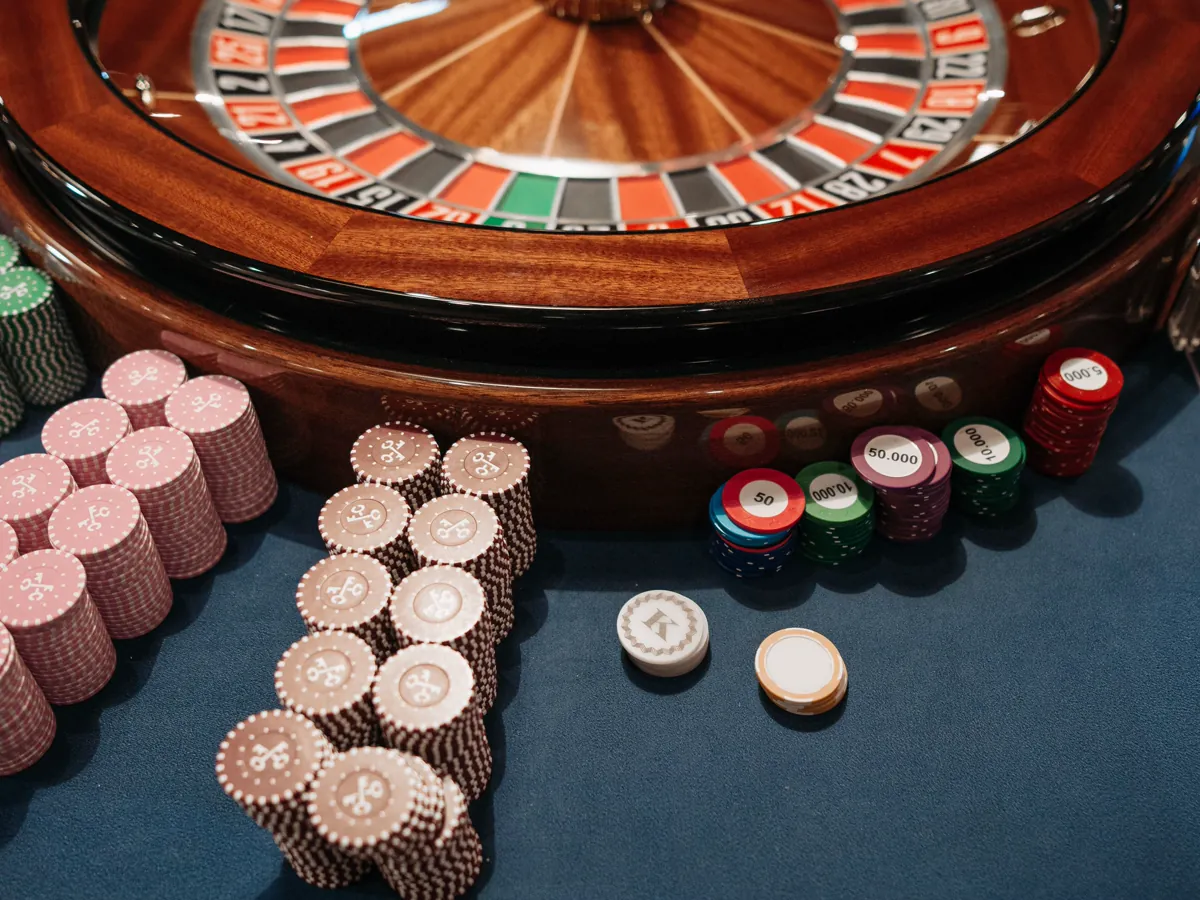
Live Casino
Hosted or streamed presentation.
Slots
Reel-style catalogue family.
Table Games
Digital table-format grouping.
Fast Games
Pace-oriented catalogue label.
This independent 22Bet category reference explains catalogue language. It does not rank titles or predict results.
CATEGORY COMPARISON
Read the catalogue label before the artwork
| Category | Typical presentation | Session pace | Information to check | Attention risk |
|---|---|---|---|---|
| Slots | Reel-based digital format | Often repeated rounds | Individual rules and controls | Animation can compress pause time |
| Live Casino | Hosted or streamed table | Set by presentation | Session state and rules | Host and countdown can add pressure |
| Table Games | Digital table format | Varies by title | Specific rules and pace | Category name can hide rule differences |
| Game Shows | Stage or host-led format | Scheduled reveals | Rules beneath the spectacle | Visual cues can create urgency |
| Fast Games | Short-cycle interaction | Rapid | Cycle and session controls | Less natural reflection time |
| Bingo | Number draw and card grid | Draw-led | Schedule and title rules | Social presentation can extend sessions |
READING CASE 01
A visitor sees a title labelled “Live”
First identify the section. In a casino catalogue, “Live” normally describes a hosted or streamed presentation. It tells the reader how a session is presented, not whether the page has passed a security check.
Next retain the individual title, visible rules and session state. The presence of a presenter or studio does not supply a legal classification or a likely result. The useful question is whether the label matches the presentation and whether the reader has set a time boundary away from the screen.
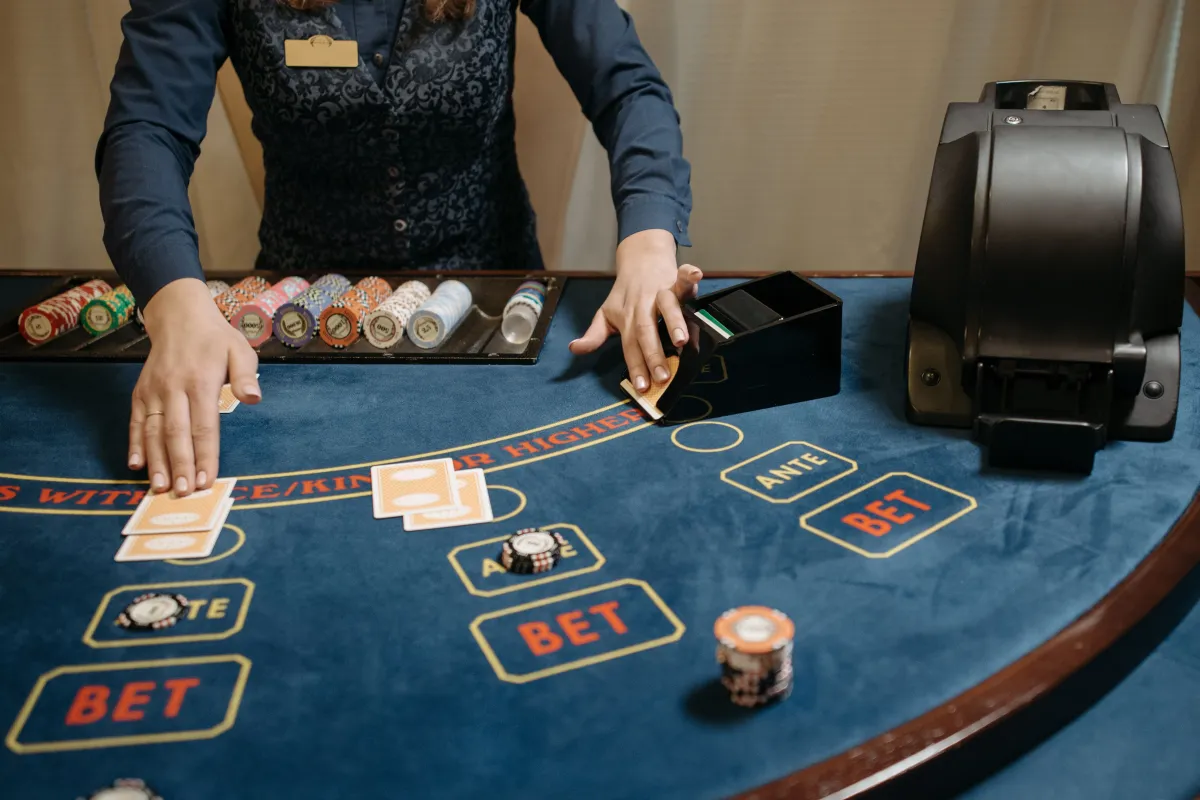
GENERIC REFERENCE
Studio imagery illustrates format only
This licensed photograph shows a generic hosted-table setting. It is not a 22Bet screen and supplies no evidence about current availability, operator identity or approval.
READING CASE 02
A title appears under “New” or “Popular”
These labels describe a catalogue position at a particular time. “New” can refer to a recent addition; “Popular” can reflect a sorting rule. Neither is an editorial recommendation, quality measure or promise of return.
Save the observation date if the label matters. Then read the title’s own rules and presentation format. A screenshot without the date, surrounding rail and source cannot show how long the label remained or why it appeared there.
Catalogue families can overlap
A table-style title may appear inside Live Casino when it uses a hosted stream and inside a broader Table Games family when the catalogue is organised by rules. These placements describe different aspects of the same presentation. One label does not cancel the other.
The useful record keeps both the parent category and the individual title. If a title moves, the category definition may remain stable even though the catalogue position changes. This is another reason to avoid hard-coded counts or statements that every item in a family shares identical rules.
Number-draw and show formats need their own context
Bingo may be organised around a scheduled draw, card grid or community presentation. Game Shows may foreground a host, stage and reveal. The category name tells the reader about format, but the individual rules determine how the title operates.
Social cues can make a session feel communal without reducing financial risk. A presenter, chat panel or audience effect should not be treated as a personal recommendation. Keep the session boundary independent of the pace and mood created by the interface.
Session pace is not a quality ranking
Fast Games emphasises shorter cycles; Game Shows emphasise spectacle; Live Casino adds a host or stream. Those characteristics affect attention and pause opportunities. They do not establish value, fairness or a likely result.
A reader can respond to pace without comparing titles. Set a time limit before opening the catalogue, avoid using a loss as the reason for the next round and take a break when the interface reduces the space between decisions. These are behavioural boundaries, not product recommendations.
Artwork and category evidence have different roles
A generic roulette photograph can illustrate a table-family concept. It cannot show that a title is currently listed. A public interface observation can record a category label, but it does not establish the photographer, supplier or contractual relationship behind the page.
For that reason, the licensed images on this page are captioned as generic editorial references. Current category statements depend on dated interface evidence; the photographs support only the visual explanation of presentation format.
Format changes the kind of attention required
A static catalogue gives more room to pause than a short-cycle format. A hosted stream can add social cues, while a stage format can emphasise anticipation. These are design differences, not benefits.
Time
Set an end time before the session begins.
Spending
Keep a boundary that is separate from on-screen prompts.
Losses
Do not continue in an attempt to recover an earlier result.
For a fuller self-check, use the responsible gaming page. Suspicious domains or requests belong to account safety.
Evidence used
- Dated public catalogue-label observation retained in the private source record.
- Pexels source pages for the roulette-and-chips and generic studio photographs by Pavel Danilyuk.
- Source selection and dynamic-information policy.