EVENT INFORMATION BOARD
Read the path before the number
A sports listing becomes useful when the sport, competition, event and current state stay together. This page explains that reading order; the 22Bet sports information route remains part of an independent publication.
Move between sport examples
Keep tournament or series, format, fixture and match state visible.
Distinguish league, cup, stage, round and leg before reading a club pairing.
Retain tournament, draw, round and match format around player names.
League, season, stage and match give team abbreviations their context.
League, game, quarter and final status separate a period score from a result.
Record the game title, tournament, match format and map or round.
Scheduled, live and completed answer different questions
| State | What it describes | Context to retain |
|---|---|---|
| Scheduled | A future listing that may still change | Date, time zone and competition |
| Live | An in-progress state at the retrieval time | Timestamp, period and score unit |
| Completed | A result-oriented record | Completion status, date and source |
Auto-refresh means two captures can show different states seconds apart. Preserve the retrieval time rather than editing the captures into one continuous record.
CRK / READING EXAMPLE
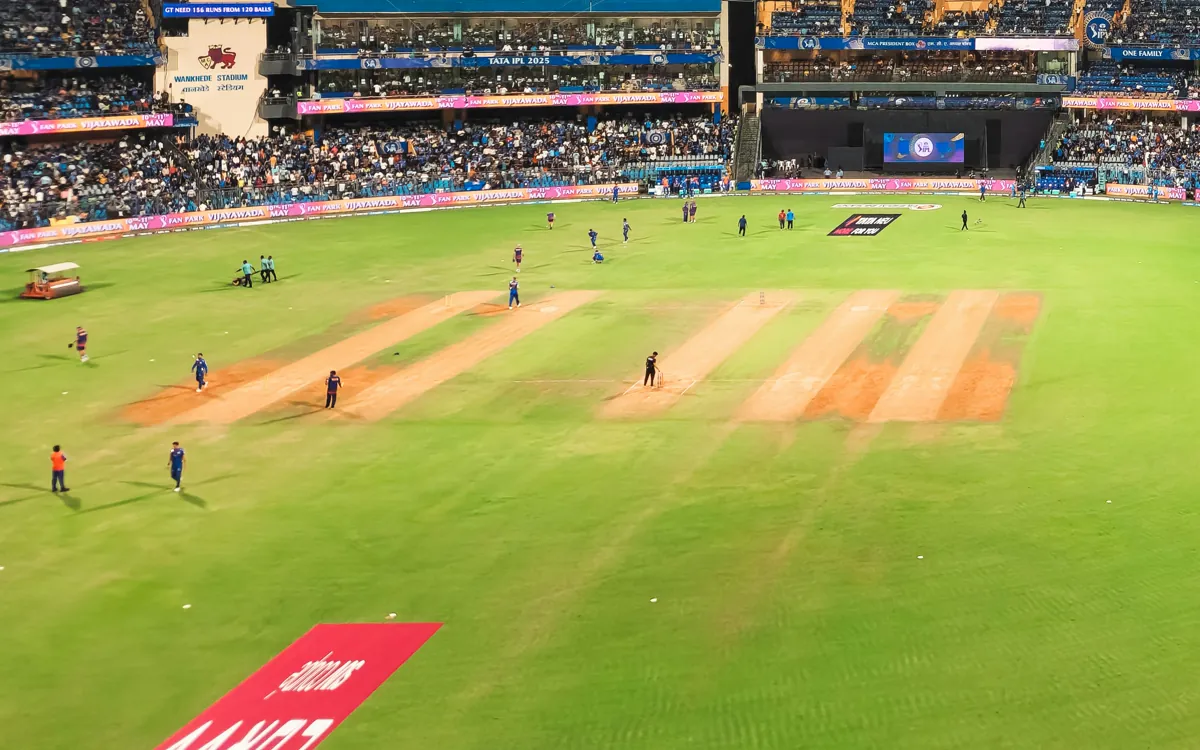
A cricket listing with several layers
Suppose a screen shows two team names and a number. Start above the number. Identify the tournament or series, then the fixture, match format and scheduled date. If the event is in progress, add the innings, over or session. If it is completed, retain the result label and source time.
This order prevents an old score from being mistaken for a live update. It also separates a series heading from a single fixture and a tournament stage from a final.
Series, league or tournament
Named event and date
Match type
Scheduled, live or completed
Statistics or result timestamp

Football: league or cup?
The same clubs may meet in a league, cup, group or two-leg tie. A pairing without the competition and stage is incomplete. A table position is historic reference; it does not convert a scheduled fixture into a result or a prediction.
For a saved record, keep the competition heading, round or leg, scheduled date and visible state.
Tennis: tournament, draw and round
A player can appear in singles, doubles or qualification during the same week. Tournament, draw and round narrow the identity. Set and game figures also need a live or completed state.
A crop that keeps only names and figures removes the very fields that distinguish one match from another.

Three compact structures
KAB / PATH
Kabaddi
Read league, season and stage before the match and status.
- League
- Season
- Stage
- Match
- Status
BKB / PERIOD
Basketball
A quarter score and final result can show the same teams but answer different questions.
ESP / DISPLAY
Esports
The game title, tournament, match format and map or round should travel together.
A worked event record
| Field | Example note | Reason |
|---|---|---|
| Sport | Cricket | Sets the rules and score units |
| Competition | Tournament or series name as displayed | Separates similar fixtures |
| Event | Team A v Team B | Identifies the listed fixture |
| State | Scheduled at 14:00 IST | Prevents a future listing from becoming a result |
| Reference | Captured 13 July 2026, 10:30 IST | Dates the observation |
If the time changes, keep the earlier and later notes rather than overwriting the first. A reschedule is a change in the record, not proof that either capture was fabricated. When the source does not explain why the change occurred, the editorial note should not invent a reason.
Units make scores readable
Runs and wickets, goals, sets, quarters, maps and rounds are different units. A large number with a small unit can dominate a visual interface, yet the unit determines what the number means. A text alternative or saved note should name it explicitly.
Colour should not carry the time state alone. Scheduled, live and completed need visible words, and a horizontal category rail must remain keyboard reachable. The current tabs use buttons, explicit tab roles and labelled panels so the same category names remain understandable without relying on spacing.
Time zones and corrections belong in the record
An international event can show a local time that differs from the reader’s Indian time. Save the displayed time zone or convert it only when the conversion method is clear. A bare date and hour can otherwise refer to two different moments.
Completed records can also be corrected by an authoritative source. Keep the first published result, the corrected result and the correction time as separate observations. The existence of a correction does not turn a completed event back into a live one; it changes the reference record.
These practices matter most when an image is shared outside the original interface. A text note beside the image should supply the competition, event, state, unit, time zone and retrieval time that a crop might remove.
Statistics and Results are reference layers
Statistics need a source, unit and period. Runs, wickets, goals, sets, quarters, maps and rounds are not interchangeable. Results need the event identity, date and completion state. Neither view supplies a forecast or recommendation.
A cropped screenshot can remove the domain, competition heading, unit or timestamp. Check the full address and surrounding headings, then compare the event with an appropriate independent record. A platform capture and an official competition record support different statements and should remain separate.
Evidence used
- Direct public sports-navigation review attempted on 13 July 2026; no login or regional bypass used.
- Unsplash source pages for the Wankhede Stadium, Gurugram football and Delhi tennis photographs.
- The site’s source and dynamic-information policy.